
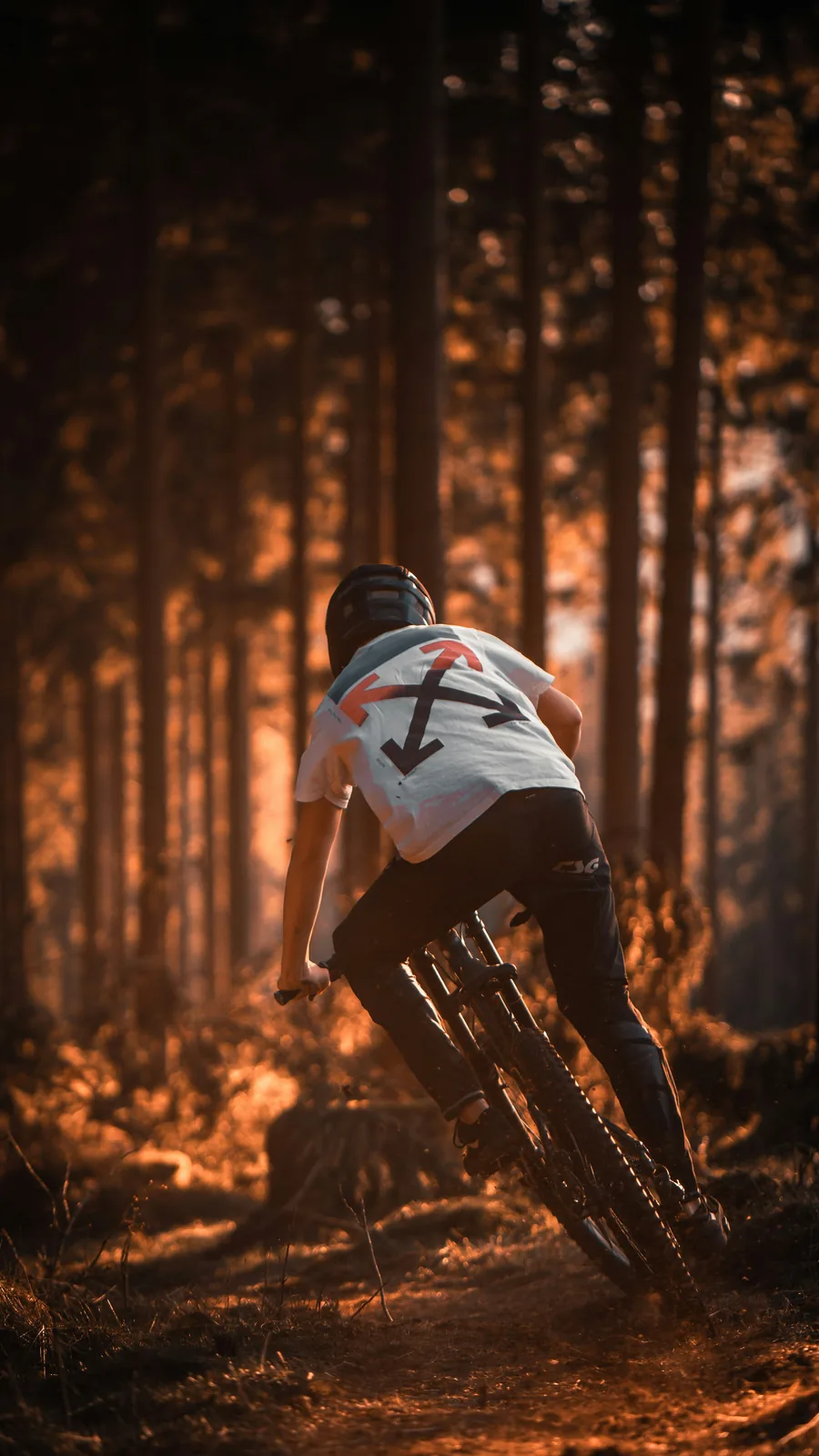
/ Seasons in Val Nervia
Seasons in Val Nervia: when to come and ride
From the sea to the ridges, the valley changes face every three months. Here's what to expect in spring, summer, autumn and winter, on the trails and off them.
The Val Nervia climbs from the sea, between Ventimiglia and Camporosso, up to the ridges above Pigna, through olive groves, chestnut woods and pine forests. In a few kilometres you go from the mild climate of the coast to altitudes where it can snow in winter: that's why you can ride here all year round, choosing the right altitude each time.
There is no wrong season, but each asks for something different: start times, clothing, trails. On this page you'll find how the valley changes through the four periods of the year and how to plan your rides on the bike or on foot.
Before setting off, always check the weather for the altitude of your route and the trail status on its sheet: we update it after rain, storms and maintenance days.
The seasons at a glance
Climate
Mediterranean on the coast, cooler and more changeable as you climb
Altitude
From sea level to about 2,000 metres on the highest ridges
Best times for MTB
Spring and autumn, with mild temperatures and good grip underfoot
Summer
Dawn rides and cool afternoons, up high or at the pools
Winter
You ride the low and mid-altitude trails, often in the sun
Always check
Weather at altitude, available daylight and trail status
March – May
Spring: dry ground and a woodland coming back to life
On the trails
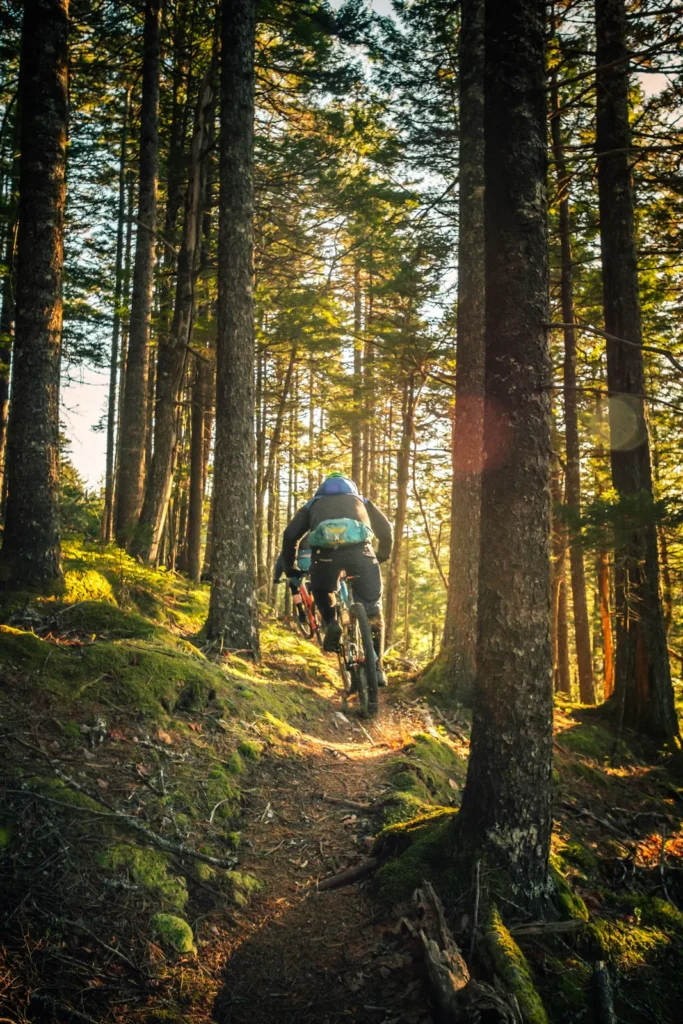
It's the most complete season: days get longer, temperatures are mild and the trails through olive and chestnut groves have the best grip. It's the right time for the first long rides and for climbing higher as the snow retreats from the ridges.
What to watch for
Spring still brings the odd spell of bad weather: after heavy rain the woodland sections stay damp for a couple of days and streams can be swollen. On the higher routes, snow can linger on shaded slopes well into spring.
Not just biking
With the blossom, the valley floor is also perfect for walking: the village of Rocchetta Nervina, Dolceacqua and the trails among the terraces are best visited without the summer heat. It's also the right time for MTB courses.
June – August
Summer: dawn starts, a dip in the pools
On the trails
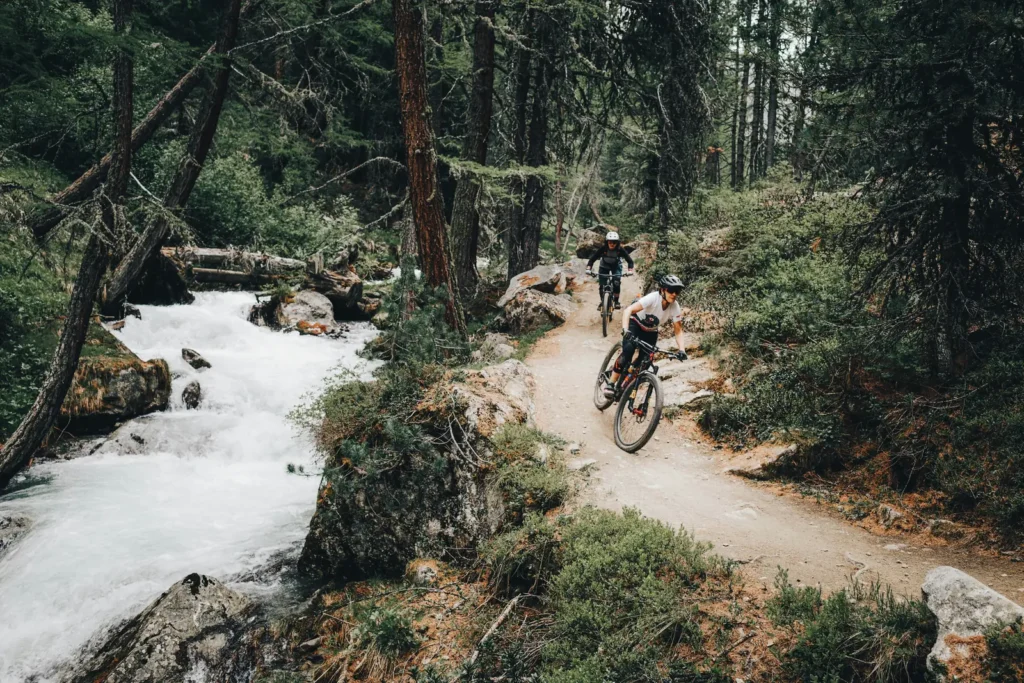
In the middle of the day the heat at low altitude is noticeable, so you head out early, while the woods are still cool, and finish by late morning. In the afternoon it's best to look for higher altitudes, where the air is cooler, perhaps with a shuttle for the climb.
What to watch for
Carry more water than you think: there are no fountains along many routes. In dry spells a state of severe wildfire danger may be declared: respect the bans. On the hottest afternoons, sudden storms can form over the hills.
Not just biking
The pools on the Barbaira stream, in Rocchetta Nervina, are the classic way to cool off after a ride. The Barbaira canyon, on the other hand, can only be descended with the right equipment and a qualified operator.
September – November
Autumn: low light and chestnut trees
On the trails
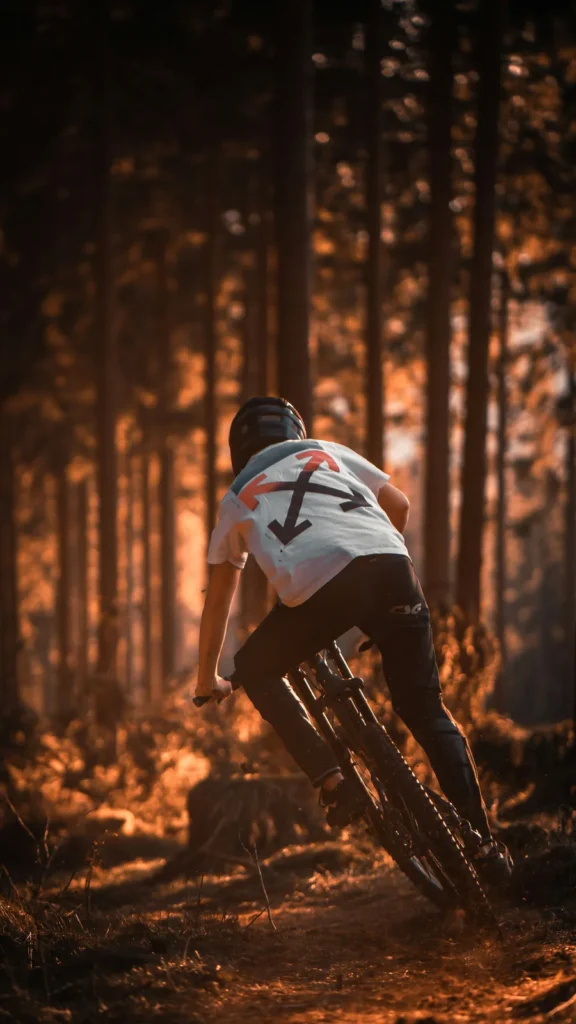
September and October are among the best months: temperatures turn mild, the ground is firm and the chestnut woods change colour. Days are getting shorter though, so plan your return around the available daylight and always carry an emergency light.
What to watch for
Autumn is also the season of the heaviest rain in Liguria. Before setting off check the weather alerts from Regione Liguria and, after a storm, check the trail status: we're the ones going back over the trails to reopen the passages.
Not just biking
It's the season of chestnuts and the grape harvest: a bike ride pairs well with a stop at a winery among the Rossese di Dolceacqua vineyards or a lunch in the valley villages.
December – February
Winter: the mild Riviera climate
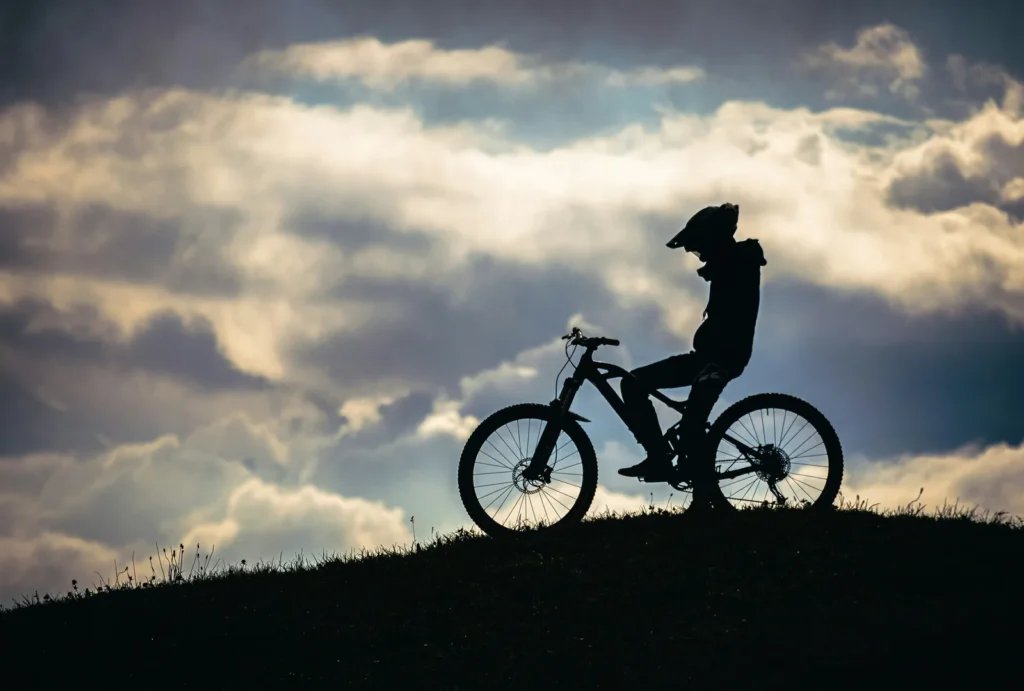
On the trails
While the Alps are under snow, on the valley's low and mid-altitude trails you keep riding, often in the sun. The best hours are the middle of the day, once the south-facing slopes have warmed up.
What to watch for
On the highest ridges there may be snow and ice, and on shaded stretches the ground stays damp for a long time. Dress in layers, bring a windproof jacket for the descents and remember that daylight runs out early.
Not just biking
Winter is also the season of trail-maintenance days, open to everyone: a practical way to get to know the trails and the people who look after them. Write to us for the next dates.
Want to ride with us, in any season?
Tell us the date, number of participants and level: we'll recommend the most suitable trail and time of year, with a guide or shuttle.
Contact us →Frequently asked questions
What is the best time of year for mountain biking in Val Nervia?
Spring and autumn offer the best conditions, with mild temperatures and good grip underfoot. You can ride all year round, though, choosing the altitude to suit the season.
Can you ride in winter?
Yes. On low and mid-altitude trails the mild Riviera climate lets you ride in winter too. On the higher ridges there may be snow and ice.
Is it too hot to ride in summer?
In the middle of the day, at low altitude, yes: that's why it's best to start at dawn and move up higher in the afternoon. Carry plenty of water and respect any bans linked to wildfire risk.
How do I know if a trail is rideable?
Every trail sheet shows the up-to-date status: whether it's open, surface conditions and the date of the last check. If in doubt, you can write to us.
Discover the trails →